哥偶然在「外交家」雜誌(The Diplomat)看到這篇文章
A Taiwan Crisis and America’s Industrial Base
台灣危機與美國的工業基礎
The cost of offshoring would be laid bare in a crisis.
外移的代價將在危機中表露無遺。
文章中說:
During Chinese President Xi Jinping’s early June visit to North Korea, Kim Jong Un confirmed his support for Beijing’s “One China” principle, which has long been used to claim sovereignty over Taiwan as an inalienable part of China.
在中國國家主席習近平 6 月初訪問北韓期間,金正恩重申支持北京的「一個中國」原則——該原則長期以來被用作主張台灣是中國不可分割之一部分的主權依據。
Following North Korea’s support for Russia in its war in Ukraine, including an estimated 15,000 troops, questions have been raised about whether Pyongyang could play a role in a potential military confrontation between China and Taiwan.
隨著北韓在烏克蘭戰爭中對俄羅斯提供支持(包括估計派出了 15,000 名士兵),外界開始質疑平壤是否可能會在中國與台灣潛在的軍事對抗中扮演某種角色。
The Tactical Vulnerability / 戰略脆弱性
If such a crisis erupted over Taiwan tomorrow, the United States would likely find itself stretched thin, given that its industrial capacity has been seriously weakened by decades of offshoring.
如果這場台海危機在明天爆發,美國很可能會發現自己分身乏術,因為其工業產能已被數十年的外移嚴重削弱。
To be sure, a prolonged conflict in the Asia-Pacific is a scenario that U.S. policymakers have anticipated and prepared for over the years.
誠然,亞太地區的長期衝突是美國決策者多年來一直預期並準備的劇本。
However, even the most carefully planned strategic scenarios cannot make up for gaps in Washington’s ability to manufacture the ships, missiles, and other weapons components needed to support a long-term response.
然而,即使是計畫最周密的戰略方案,也無法彌補華盛頓在製造軍艦、飛彈和其他支援長期回應所需武器組件能力上的缺口。
Such weaknesses in the U.S. defense industrial base no longer represent a mere economic issue; they now pose an immediate strategic vulnerability.
美國國防工業基礎的這些弱點已不再僅僅是經濟問題,而是構成了一個迫在眉睫的戰略脆弱性。
On June 17, U.S. President Donald Trump invoked the Defense Production Act, enabling the Department of Defense (DoD) to establish voluntary agreements with private providers to break bottlenecks and accelerate supply chains.
6 月 17 日,美國總統唐納德•特朗普動用了《國防生產法》,授權國防部與私人供應商建立自願性協議,以打破瓶頸並加速供應鏈。
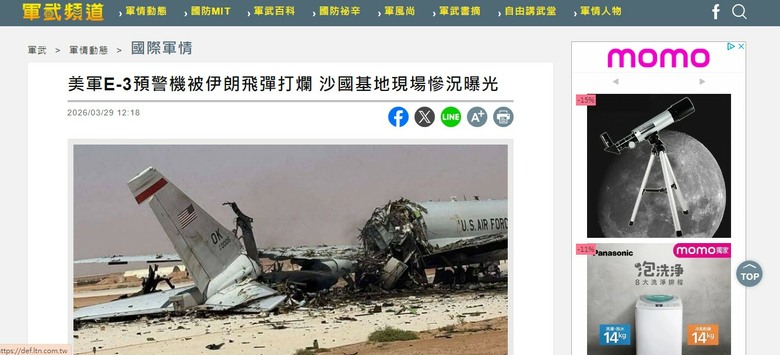
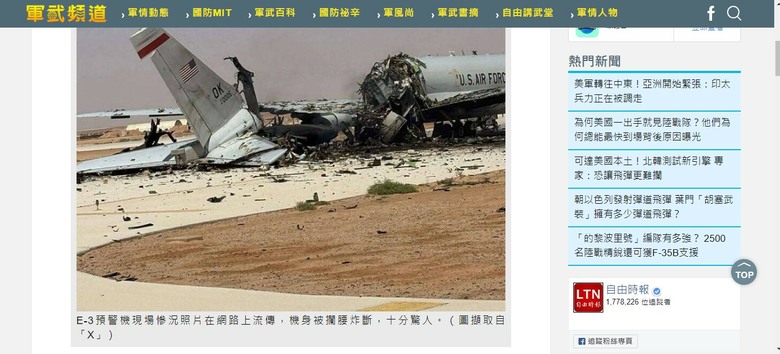
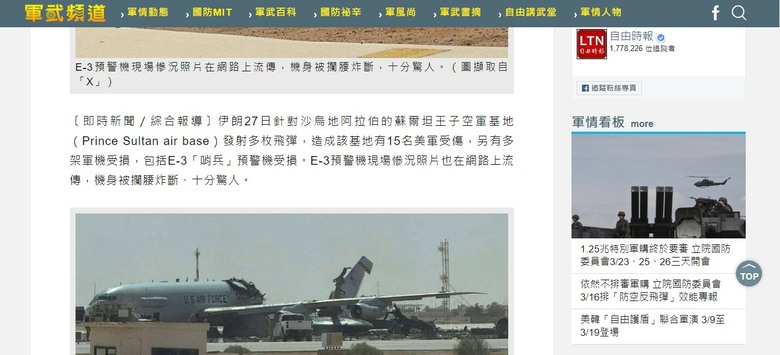
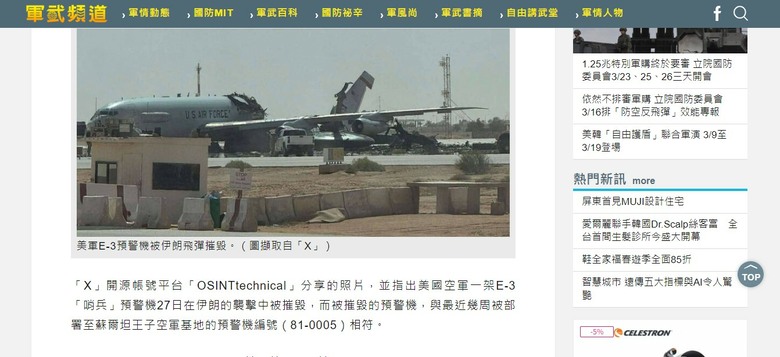
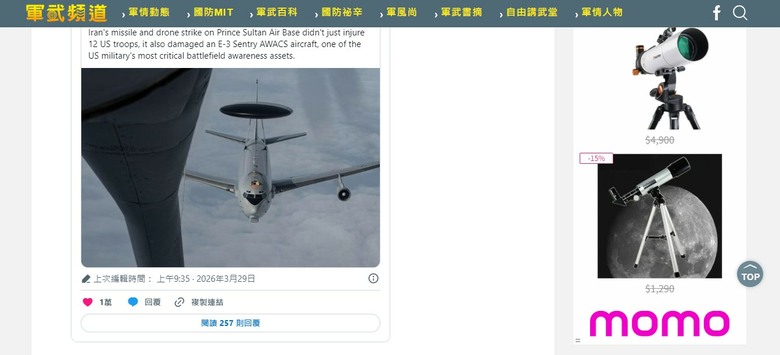
Following a protracted war in the Middle East over the past few months, during which Iran’s asymmetric capabilities significantly depleted the U.S. military’s weapons stockpiles, critical shortages of rocket motors, igniters, guidance systems, and air defense interceptors emerged.
在過去幾個月中,經歷了一場因伊朗的不對稱戰力而嚴重消耗美軍武器庫存的中東持久戰爭後,美國出現了火箭發動機、點火器、導引系統和防空攔截飛彈的關鍵短缺。
The emergency expansion of domestic weapons production through deals such as the $1 billion investment in L3Harris’s rocket motor facilities aims to plug the holes in a manufacturing landscape that is severely skewed in favor of international partners.
透過諸如對 L3Harris 火箭發動機工廠投資 10 億美元等交易來緊急擴大國內武器生產,旨在填補這個嚴重向國際夥伴傾斜的製造業版圖缺口。
Globalized Supply Chains & China / 全球化供應鏈與中國
The offshoring of America’s industrial base began shortly after the collapse of the Soviet Union and went hand in hand with the integration of international markets under a more globalized trade network.
美國工業基礎的外移始於蘇聯解體後不久,並與更全球化的貿易網路下國際市場的整合並進。
As more opportunities opened up for American firms in the form of cheaper labor and higher corporate margins in emerging economies, several of them moved a portion of their manufacturing overseas.
隨著新興經濟體為美國企業帶來更廉價的勞動力和更高企業利潤的機會,部分企業將其製造業遷移到了海外。
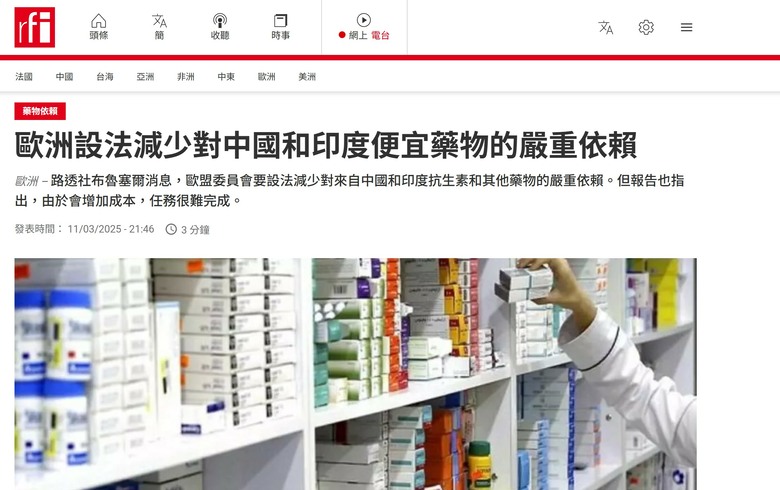
Today, thousands of defense subcontractors supplying the DoD and producing critical components are based abroad, and some electronics and metals that the U.S. relies on can even be traced directly to China.
如今,數千家為美國國防部供貨並生產關鍵組件的國防分包商都設在海外,而美國所依賴的部分電子產品和金屬甚至可以直接追溯到中國。
Alongside the dilution of domestic manufacturing through foreign-based suppliers, China’s rapid economic rise compounds U.S. strategic vulnerabilities.
除了國內製造業因海外供應商而遭到稀釋外,中國經濟的迅速崛起更令美國的戰略脆弱性雪上加霜。
China serves as a central hub for critical minerals, advanced electronics, and renewable energy technology, while its manufacturing scale and processing capacity mean that several U.S. industrial interests run through its primary geopolitical competitor.
中國是關鍵礦產、先進電子產品和再生能源技術的中心樞紐,其製造規模和加工能力意味著美國的多項工業利益都必須經過其主要的地理政治競爭對手。
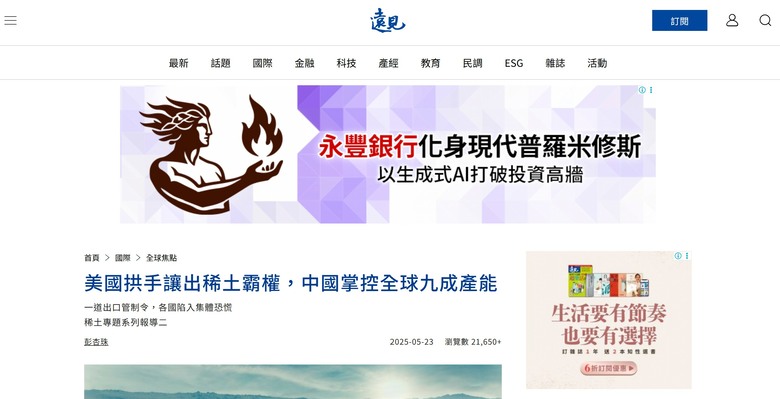
Beijing has already demonstrated on multiple occasions that it is willing to weaponize its control over supply chains, first in a major incident regarding rare earth shipments and most recently as a direct response to U.S. restrictions on semiconductor and technology investments.
北京此前已多次表明其願意將供應鏈控制權武器化,首次是在一起涉及稀土出貨的重大事件中,而最近一次則是對美國限制半導體和技術投資做出的直接回應。
Overlapping Risks in a Conflict / 衝突中交織的風險
A war between China and Taiwan, with the U.S. potentially continuing to act as the provider of defensive arms to Taipei under the provisions of the Taiwan Relations Act, could exploit the above overlapping vulnerabilities at the same time.
一旦中國與台灣爆發戰爭,而美國根據《台灣關係法》的規定繼續充當台北防衛性武器的提供者,這將可能同時引爆上述交織的脆弱性。
A conflict could simultaneously place enormous pressure on semiconductor supply chains, shipping routes, and access to manufacturing hubs, acutely highlighting how much of its industrial capacity the U.S. has allowed to migrate offshore over the years.
一場衝突可能會同時對半導體供應鏈、航運路線和製造業樞紐施加巨大壓力,從而尖銳地凸顯出美國多年來任由多少工業產能流向海外。
Solutions & Automation / 解決方案與自動化
The immediate problem this poses is not measured simply by the number of factories based on U.S. soil as opposed to those operating abroad, but by the much wider network of trained professionals and suppliers that migrated away with them.
這造成的直接問題,不能單純用美國本土工廠與海外工廠的數量對比來衡量,而應衡量隨之流失的更廣泛的專業人才與供應商網絡。
Without a broader revitalization project aimed at rebuilding these networks, increased federal budgets alone will not resolve the capability gap.
若沒有一個旨在重建這些網絡的更廣泛復興計畫,單憑增加聯邦預算並無法解決產能差距。
One concrete solution already being applied in the industry comes from companies such as Hadrian, which uses software-driven automation in the manufacturing process to standardize production and make up for the shortage of specialized labor in the field.
目前業界已經應用的一個具體解決方案來自 Hadrian 等公司,該公司在製造過程中採用軟體驅動的自動化來標準化生產,並彌補該領域專業勞動力的短缺。
The speed and scalability of this solution are particularly relevant for the defense industry, where AI-driven, autonomous factories of the future, such as Hadrian’s Opus-powered system, could serve as a new manufacturing model capable of meeting the requirements of 21st-century competition.
這種解決方案的速度和可擴展性對國防工業尤為重要;在該領域中,未來的 AI 驅動、自主化工廠(例如 Hadrian 的 Opus 驅動系統)可以作為一種新的製造模式,滿足 21 世紀競爭的需求。
Conclusion / 結論
As the Asia-Pacific strategic environment may expose the limits of the U.S. longstanding approach of treating manufacturing as a primarily economic calculation, rebuilding the foundations of an indigenous defense industrial base may feature more prominently in Washington’s near-term policies.
亞太戰略環境可能會暴露美國長期以來將製造業主要視為經濟計算的局限性,因此,重建本土國防工業基礎的基石可能會在華盛頓的近期政策中佔據更重要的位置。
The war with Iran not only highlighted that U.S. weapons stockpiles are easier to deplete than previously believed, but also that their speedy replacement may face significant barriers.
與伊朗的戰爭不僅突顯了美軍武器庫存比以往想像的更容易被消耗,也突顯了快速補給可能會面臨重大障礙。
If the U.S. wants to maintain a credible deterrence posture in the Middle East, the Asia-Pacific, or any other strategic arena of importance, it should urgently prioritize the elimination of vulnerabilities across its supply chains.
美國如果想在中東、亞太或任何其他重要的戰略舞台上維持可靠的威懾態勢,就應當迫切將消除供應鏈中的脆弱性列為優先事項。
The true test of the next confrontation between the U.S. and an adversary will be military strength as well as the ability to materially sustain it.
下一次美國與對手對抗的真正考驗,將不僅僅是軍事力量,更是實質上維持這種力量的能力。
======================================================

所以台灣人也不要再替美國瞎吹
美國人連現役裝備的補充都快滿足不了
又何從談什麼美軍建軍目標不是只在現代稱雄,而是要領先一個世代!